Key takeaways
- The teacher who will actually take your child’s lectures matters more than brand size or advertising.
- Ask how many students sit in one batch and whether doubts are solved after class, not only during it.
- A good class tests regularly and shows you the analysis, not just the marks.
- Pick a branch your child can reach in 20–30 minutes; daily travel fatigue quietly eats into self-study.
- Attend a demo lecture and talk to current students before deciding.
Every year, thousands of Pune families make the same decision in a hurry: which coaching class should my child join for 11th–12th Science, JEE, NEET or MHT-CET? The choice shapes two of the most important years of a student’s life, yet it is often made on the basis of a banner, a single topper photo or a friend’s recommendation. This checklist, written by teachers who have coached Pune’s science students since 1989, gives you ten practical questions to ask any institute — including us.
1. Who will actually teach my child?
The single biggest factor in results is the teacher in the classroom. Ask for the names, qualifications and teaching experience of the faculty who will take your child’s batch — not the institute’s most famous name. Ask whether the same teacher will continue through the year, because mid-year faculty changes are one of the most common complaints parents raise.
2. How big is a batch?
Large batches can work for lectures, but they make it harder for a teacher to notice a student who is quietly falling behind. Ask how many students sit in one batch, and how the teacher tracks individual progress. Personal attention is not a slogan — it should show up as a teacher who knows your child’s weak chapters by name.
3. When and how are doubts solved?
Doubts that are not cleared within a day or two tend to snowball, especially in Physics and Mathematics where chapters build on each other. Ask whether students can clarify doubts after class hours, how long doubt sessions run, and whether students hesitate to ask. At Phadke Classes, students can clear doubts during class or after class hours with the faculty.
4. How often are tests held — and what happens after?
Regular testing is what turns understanding into exam performance. A strong institute runs chapter tests through the year and full-length mock tests closer to the exam, under real timing. Just as important is what happens next: are mistakes analysed with the student? Read our guide on how to analyse a mock test to see what good analysis looks like.
5. Does the course match your child’s board and goal?
A Maharashtra State Board (HSC) student aiming for MHT-CET needs a different emphasis from a CBSE student targeting JEE Advanced. Ask how the course balances board preparation with entrance preparation for JEE, NEET or MHT-CET. If your child has not decided between engineering and medicine yet, ask how flexible the subject combination is.
6. How far is the branch from home and school?
In Pune traffic, a 45-minute commute each way can cost an 11th or 12th student more than seven hours a week — time that should go into revision and practice. Choose a branch your child can reach comfortably. Phadke Classes has three branches: on Pune–Satara Road (opposite City Pride), on Tilak Road (opposite Naralkar Institute) and at Gangadham on Market Yard–Kondhwa Road.
7. What do current students and parents say?
Speak to students who are studying there now, not only toppers from past years. Ask them three simple questions: Are the teachers approachable? Are tests regular and useful? Would you join again? Read our student reviews for examples of what our own students say.
8. How is progress shared with parents?
Ask how and how often you will hear about test performance, attendance and concerns. Regular, honest feedback lets you step in early — before a weak chapter becomes a weak subject.
9. Is the study environment right?
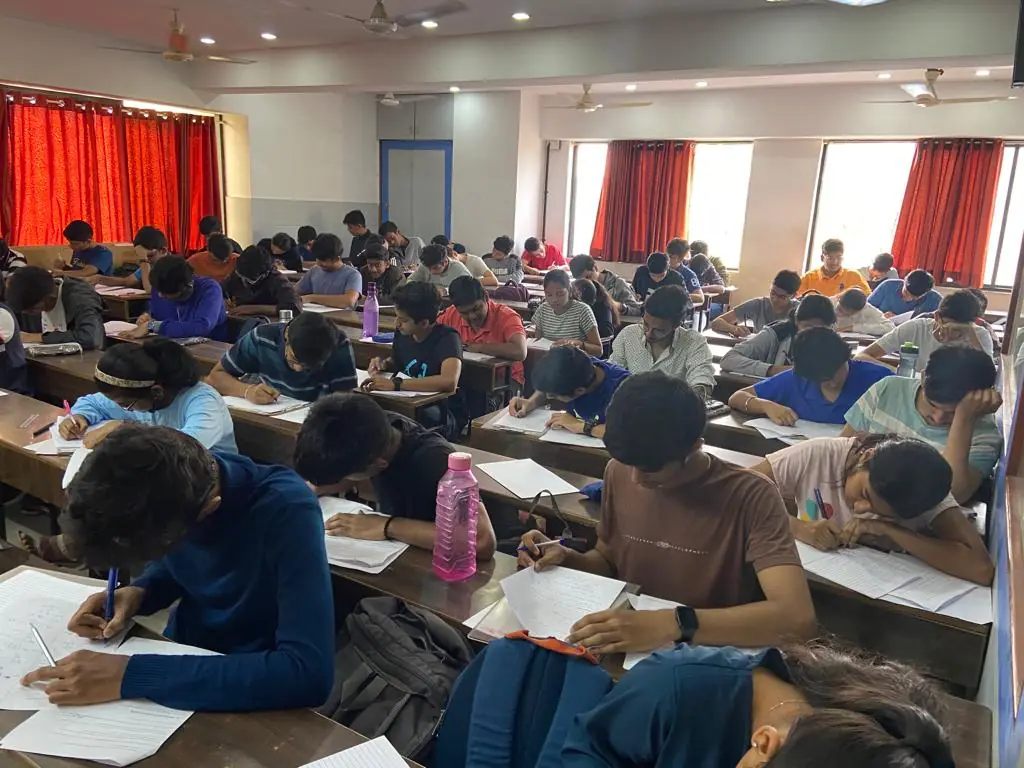
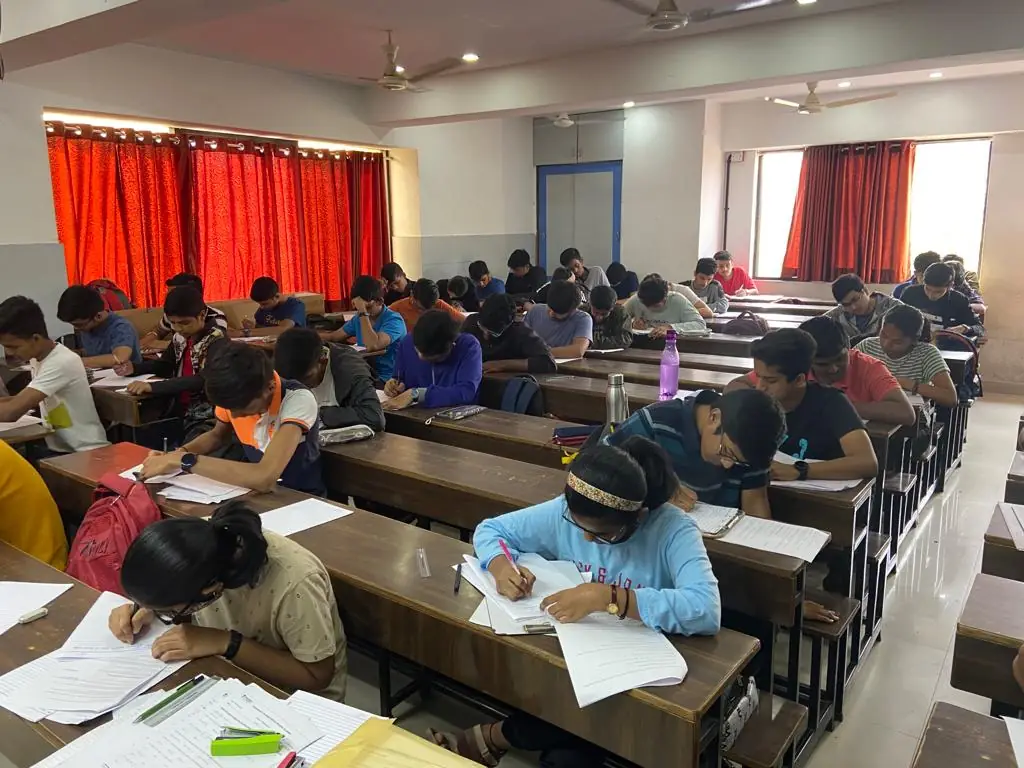
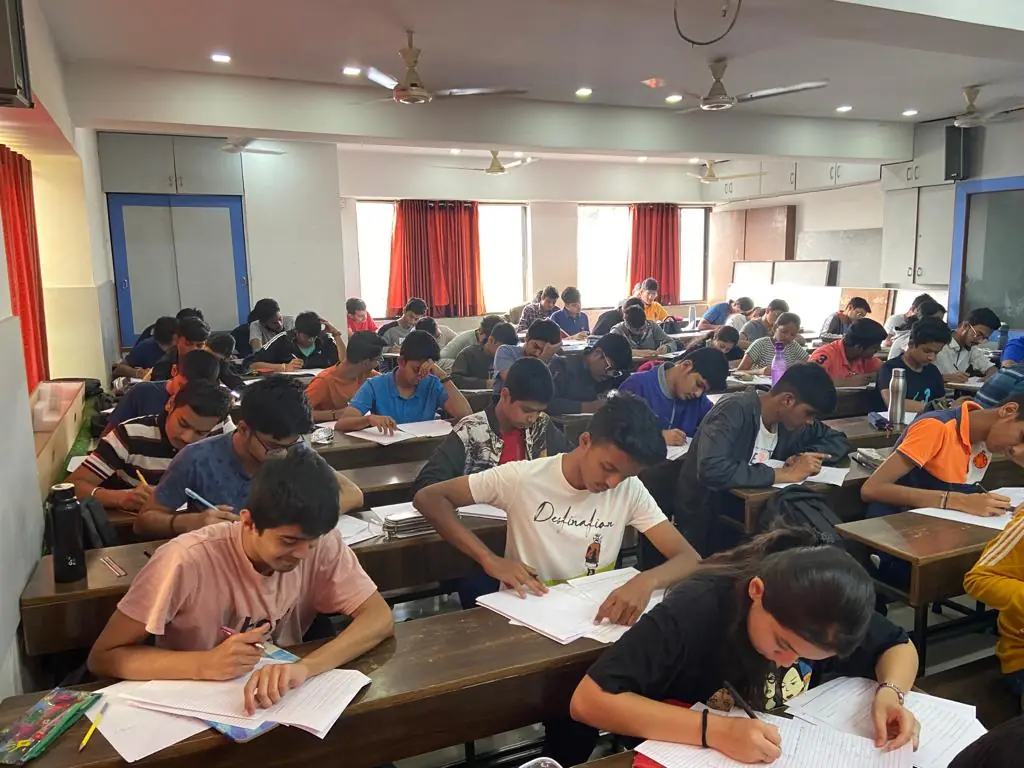
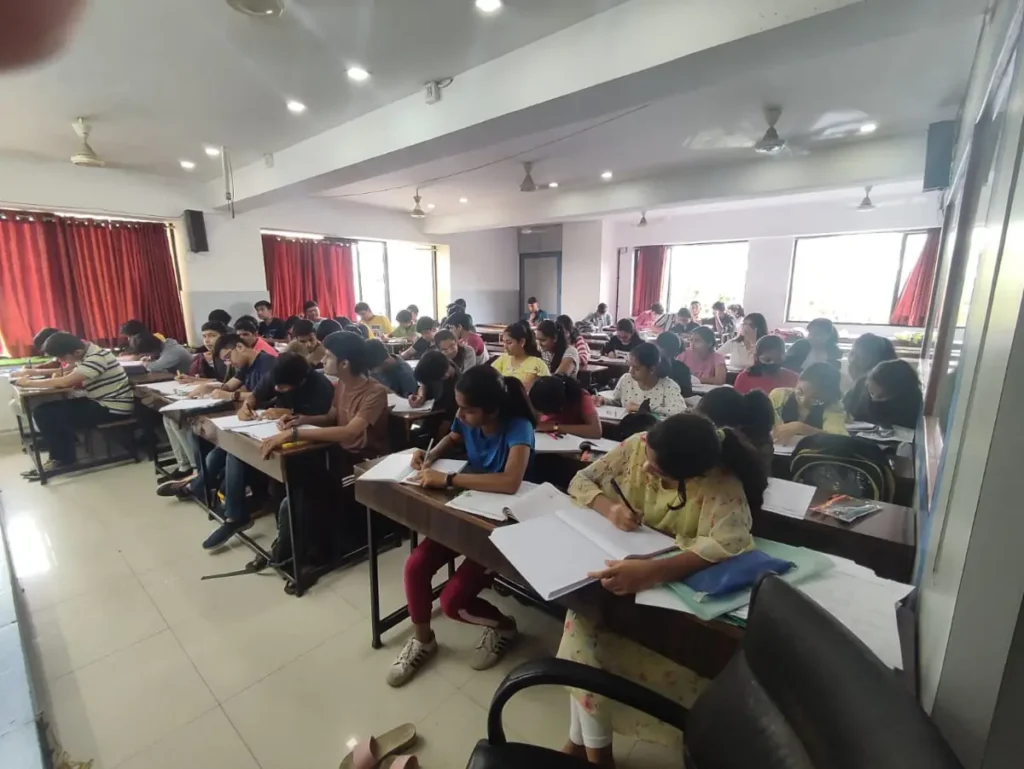
Visit the classroom. Look for good light and ventilation, sturdy desks, comfortable seating and limited distractions. A calm, organised environment matters more than air-conditioning or décor.
10. Are fees, batches and policies explained clearly?
A trustworthy institute explains fees, instalments, batch timings, what is included (study material, test series) and its refund or transfer policy plainly and in writing. Be cautious of pressure tactics such as “only two seats left today”.
A quick comparison table you can use
| Question | What a good answer sounds like |
|---|---|
| Who teaches? | Named, experienced subject teachers who stay with the batch all year |
| Batch size? | A clear number, and a way the teacher tracks each student |
| Doubts? | During and after class, without students feeling rushed |
| Tests? | Regular chapter tests plus full-length mock tests, with analysis |
| Board vs entrance? | A plan that builds board concepts and entrance practice together |
| Parent updates? | Regular, specific feedback — not only marks |
How Phadke Classes approaches this
We have taught science in Pune since 1989. Mathematics is led by founder Prof. V. S. Phadke (38 years of teaching) and Physics by Prof. Sarvesh Gaonkar (15 years). Every chapter follows the same cycle — learn, practise, test, review — with doubt-solving after class and regular progress tracking. If you would like to see it for yourself, book a conversation with our team.
Frequently asked questions
Which is the best coaching class in Pune for 11th and 12th Science?
There is no single best class for every student. The best fit is the one with experienced teachers who will personally take your child’s batch, regular tests with analysis, doubt-solving after class, and a branch close enough to avoid long daily travel. Attend a demo lecture and speak to current students before deciding.
When should my child join coaching for JEE or NEET?
Most students start at the beginning of 11th, because the 11th syllabus forms a large part of JEE, NEET and MHT-CET. Students who join in 12th can still do well, but they need a faster plan that covers 11th chapters alongside 12th.
Is it better to choose a big national brand or a local Pune institute?
Judge the teachers, batch size and testing system rather than the brand. A local institute with experienced, accessible faculty can give more personal attention; a large chain may offer more test data. Ask the same ten questions of both.
How many hours of coaching per week is enough?
It depends on the course and the student, but coaching should leave enough time for school, self-study and rest. A schedule that leaves no time for revision and practice at home is too heavy.
Does Phadke Classes offer a demo or counselling session?
Yes. Call or WhatsApp 79727 15860 or fill in the enquiry form, and our team will explain batches, timings and fees for your branch.