Key takeaways
- The score of a mock test matters far less than what you do in the next 24 hours.
- Classify every lost mark into one of four buckets: concept gap, misread, calculation slip or guess.
- Track accuracy (correct ÷ attempted), not just total marks — vital in JEE and NEET, where wrong answers cost marks.
- Spend at least as long reviewing a mock as you spent writing it.
Why most students don’t improve from mock tests
Students plateau when they treat mock tests as a score to be checked rather than a diagnosis to be acted on. Writing test after test without analysis mostly rehearses the same mistakes. Improvement comes from finding the exact reason each mark was lost and fixing that reason before the next test.
Step 1: Review within 24 hours
Analyse the test while your reasoning is fresh. For every question you got wrong, skipped or got right by guessing, write down what you were thinking during the exam.
Step 2: Put every lost mark in a bucket
| Bucket | What it looks like | Fix |
|---|---|---|
| Concept gap | You didn’t know the idea or formula | Re-learn the topic from the textbook or notes; solve 15–20 questions on it |
| Misread | You knew it but misread “not”, units or the question asked | Underline key words while reading; slow down on the first read |
| Calculation slip | Right method, wrong arithmetic | Write cleaner steps; daily 10-minute calculation practice |
| Guess | You marked an answer without a method | In JEE and NEET (negative marking), leave it; in MHT-CET (no negative marking), attempt every question |
Step 3: Track accuracy and time, not just marks
For each subject, record three numbers: questions attempted, accuracy (correct ÷ attempted) and time spent. In JEE and NEET, each wrong answer costs a mark, so an accuracy of 90% at fewer attempts can beat 70% accuracy at more attempts. In MHT-CET, with no negative marking, the goal is to attempt everything as accurately as time allows.
Step 4: Turn the analysis into next week’s plan
List your top three concept gaps and schedule them into the coming week. Re-attempt every wrong question after three days without looking at the solution. Keep an error notebook organised by chapter and read it before every mock.
Step 5: Practise exam temperament
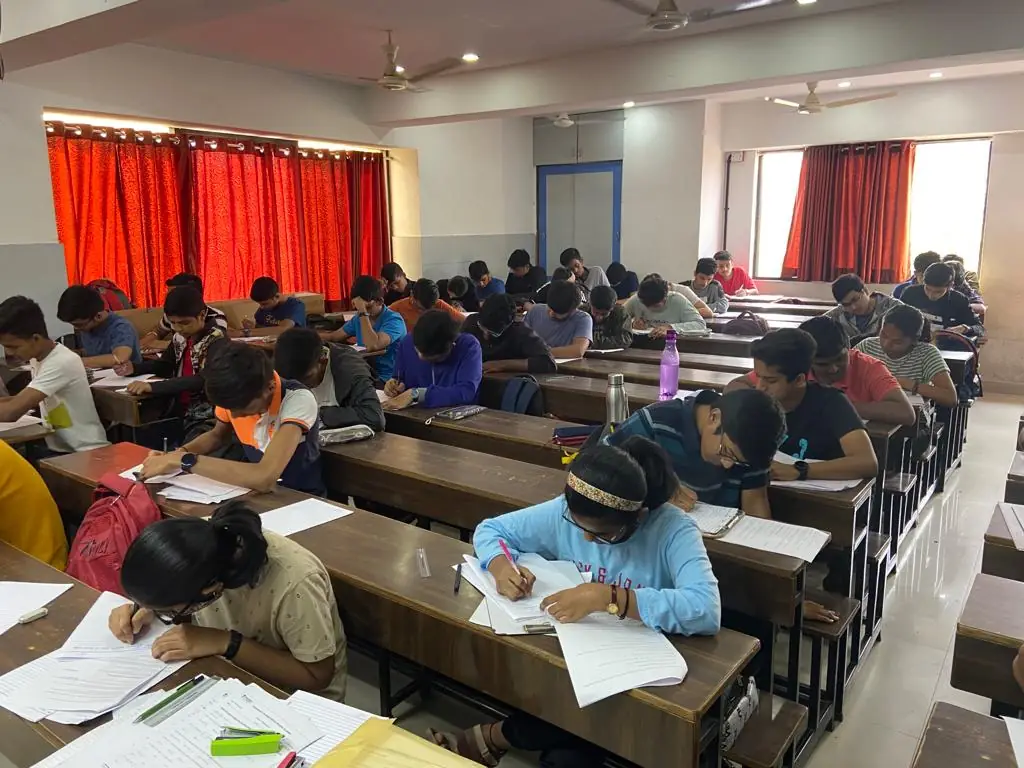
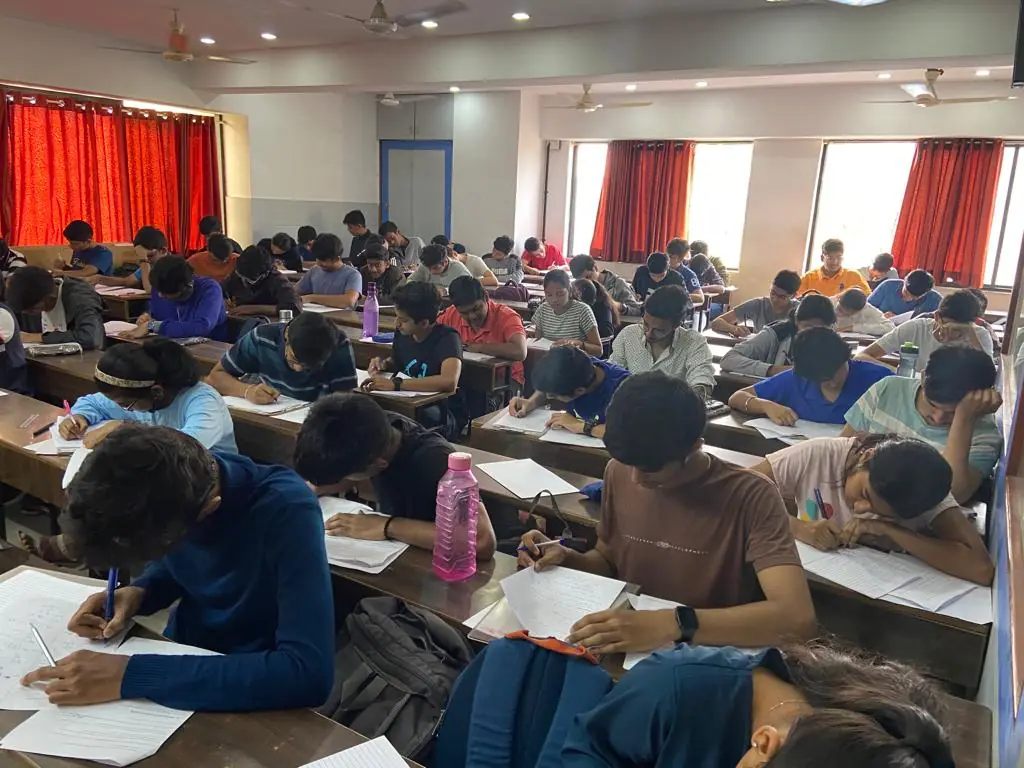
- Write mocks at the real exam time (for example 9 am or 3 pm for JEE Main shifts).
- Use a fixed question order — for example, your strongest subject first.
- Set a time cap per question and move on when you hit it.
How often should you take full mock tests?
A common rhythm is one full mock a week while the syllabus is still being taught, two a week in the final two to three months, and three a week in the last few weeks — always with a full review in between. More mocks without review do not help.
Mock tests at Phadke Classes
We run regular chapter tests and full-length mock tests for JEE, NEET, MHT-CET and the boards in real exam conditions, followed by analysis with faculty so students don’t carry misconceptions into the exam. See our guides to JEE Main 2027, NEET UG 2027 and MHT-CET 2027, or enquire about our test series.
Frequently asked questions
How many mock tests should I take before JEE or NEET?
Quality matters more than number. Aim for one full mock a week during the syllabus, two a week in the final months and up to three a week near the exam — each followed by a proper review.
How long should I spend analysing a mock test?
At least as long as the test itself. A three-hour mock deserves about three hours of review spread over the next day.
Should I guess in JEE Main and NEET?
Both have negative marking (−1 per wrong answer), so random guessing usually lowers your score. Attempt a question only when you can eliminate options or have a method.
Should I guess in MHT-CET?
MHT-CET has no negative marking, so you should attempt every question, using elimination where possible.